Conservative Oxygen for Unresponsive Patients after Cardiac Arrest
The LOGICAL Investigators and the Australian and New Zealand Intensive Care Society Clinical Trials Group
N Engl J Med Published June 10, 2026
DOI: 10.1056/NEJMoa2513814
Abstract
BACKGROUND
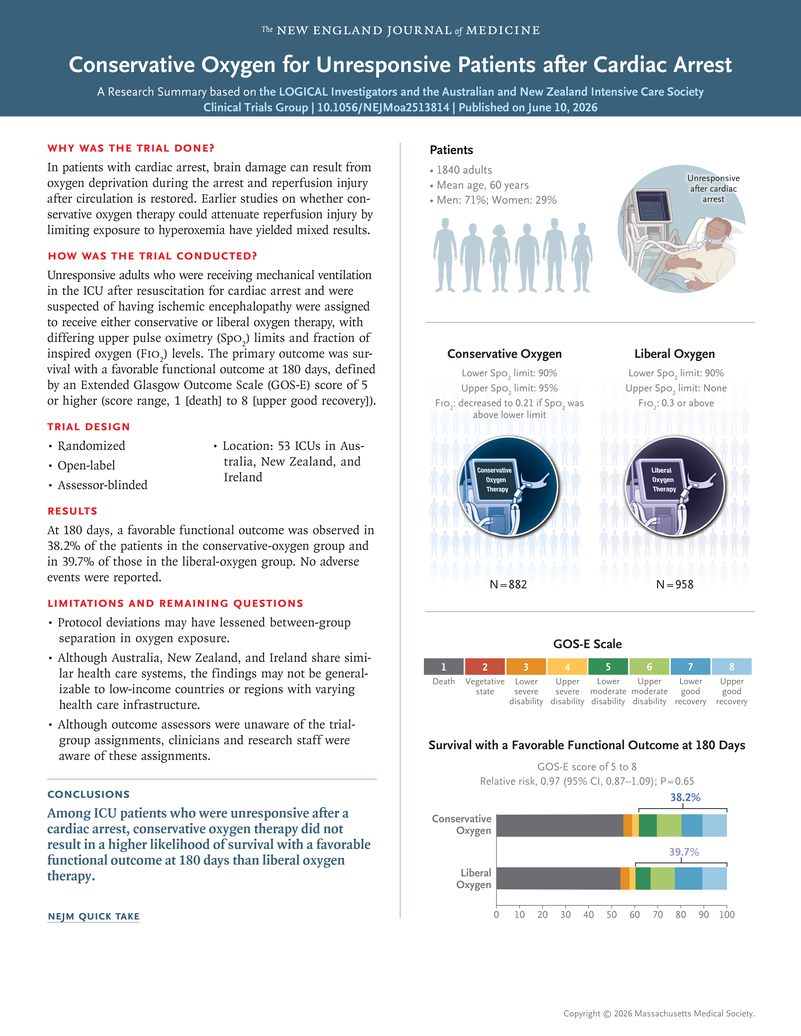
In patients who are unresponsive after resuscitation from cardiac arrest, limiting oxygen exposure to that necessary to achieve acceptable oxygenation may increase the likelihood of survival with a favorable functional outcome.
METHODS
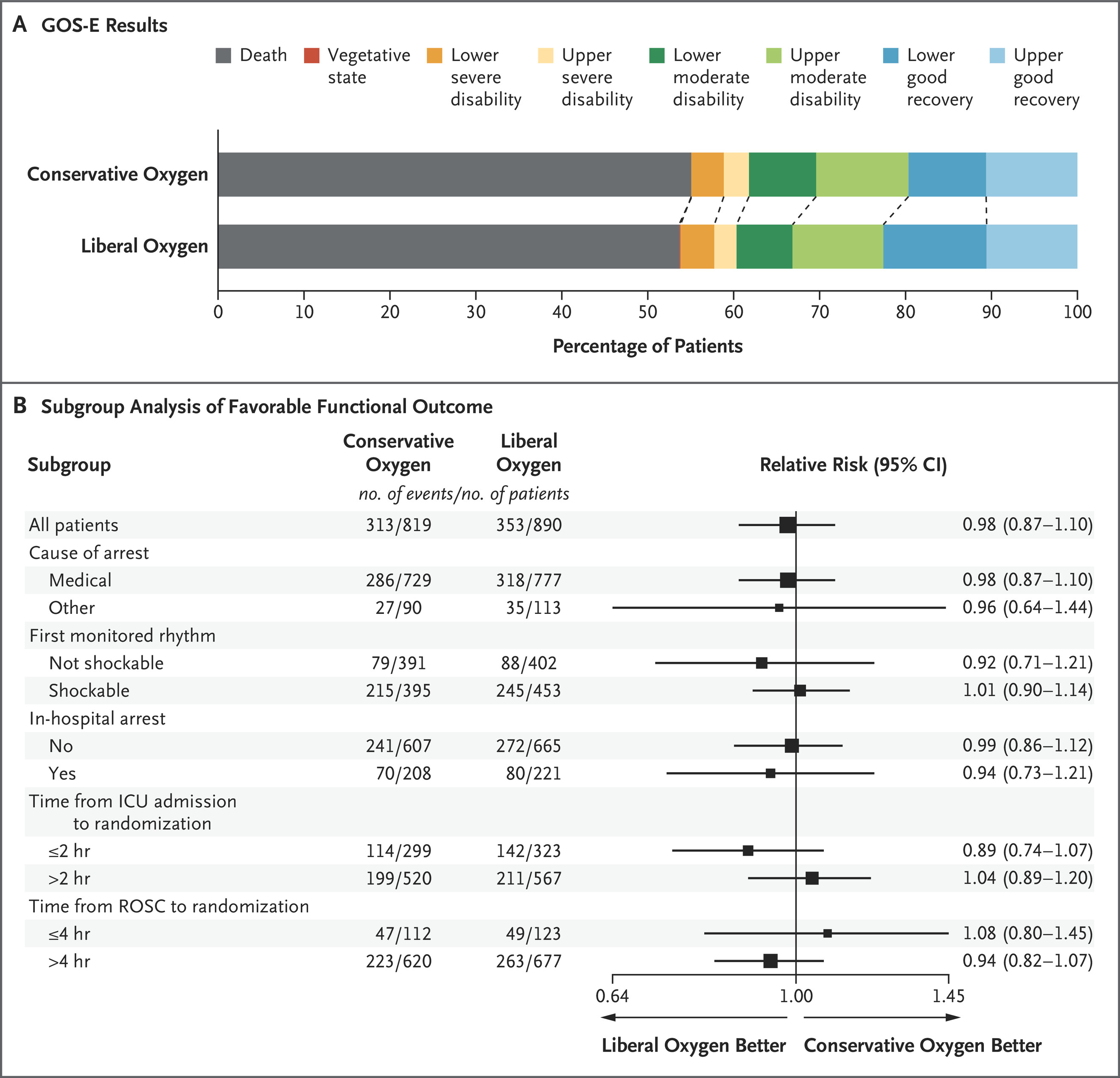
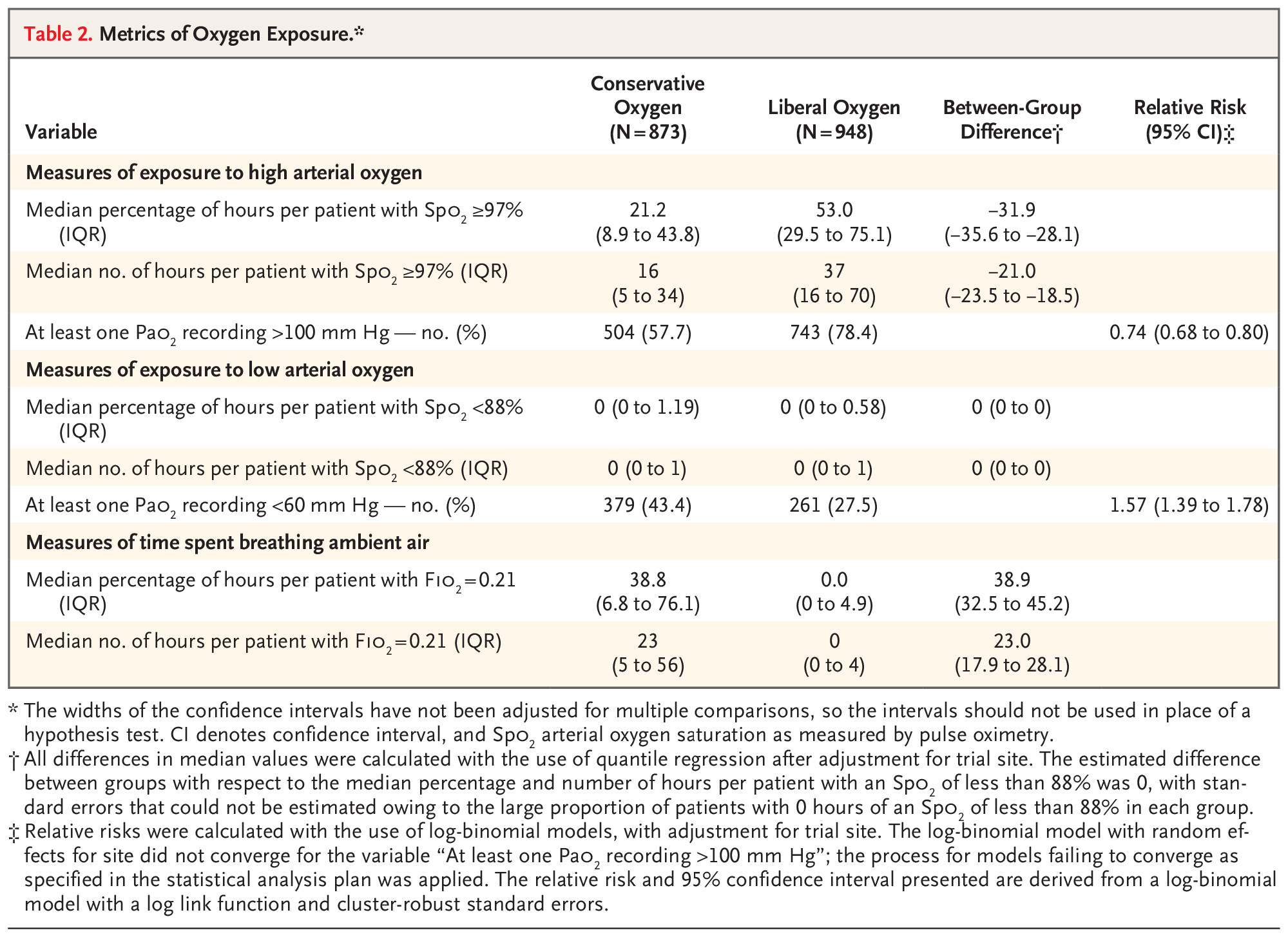
We randomly assigned unresponsive adults receiving mechanical ventilation in the intensive care unit (ICU) after cardiac arrest to conservative or liberal oxygen therapy. In the two groups, the default lower limit of arterial oxygen saturation as measured by pulse oximetry (Spo2) was 90%. In the conservative-oxygen group, the alarm for the upper limit of the Spo2was set at 95%, and the fraction of inspired oxygen (Fio2) was decreased to 0.21 provided that the Spo2 was above the lower limit. In the liberal-oxygen group, there were no measures limiting the upper Spo2, but the minimum Fio2 permitted during mechanical ventilation was 0.3. The primary outcome was survival with a favorable functional outcome at 180 days, assessed with the Extended Glasgow Outcome Scale (GOS-E). Levels on the GOS-E range from 1 (death) to 8 (“upper good recovery”). We defined survival with a favorable functional outcome as a GOS-E level of 5 (“lower moderate disability”) or higher.
RESULTS
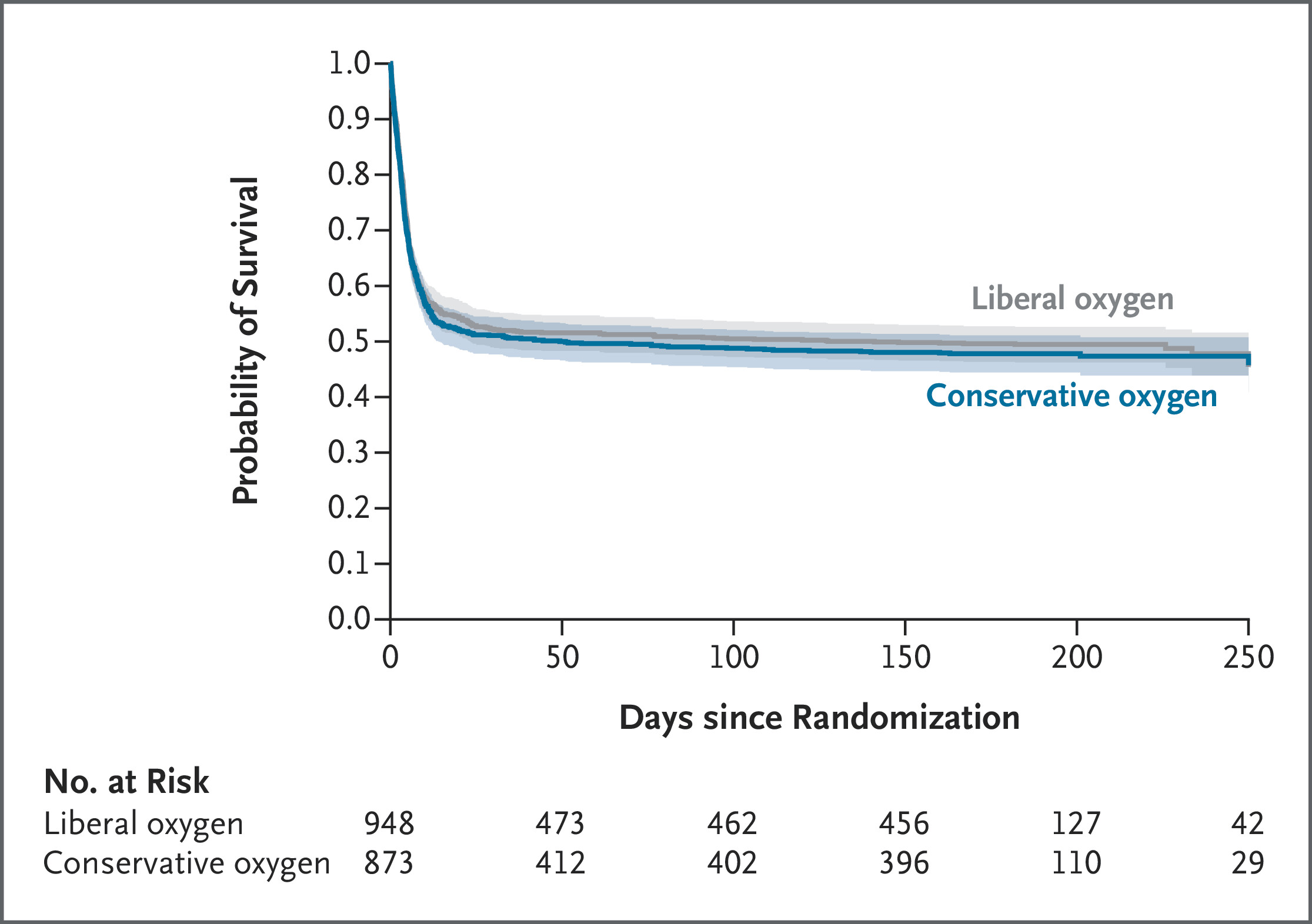
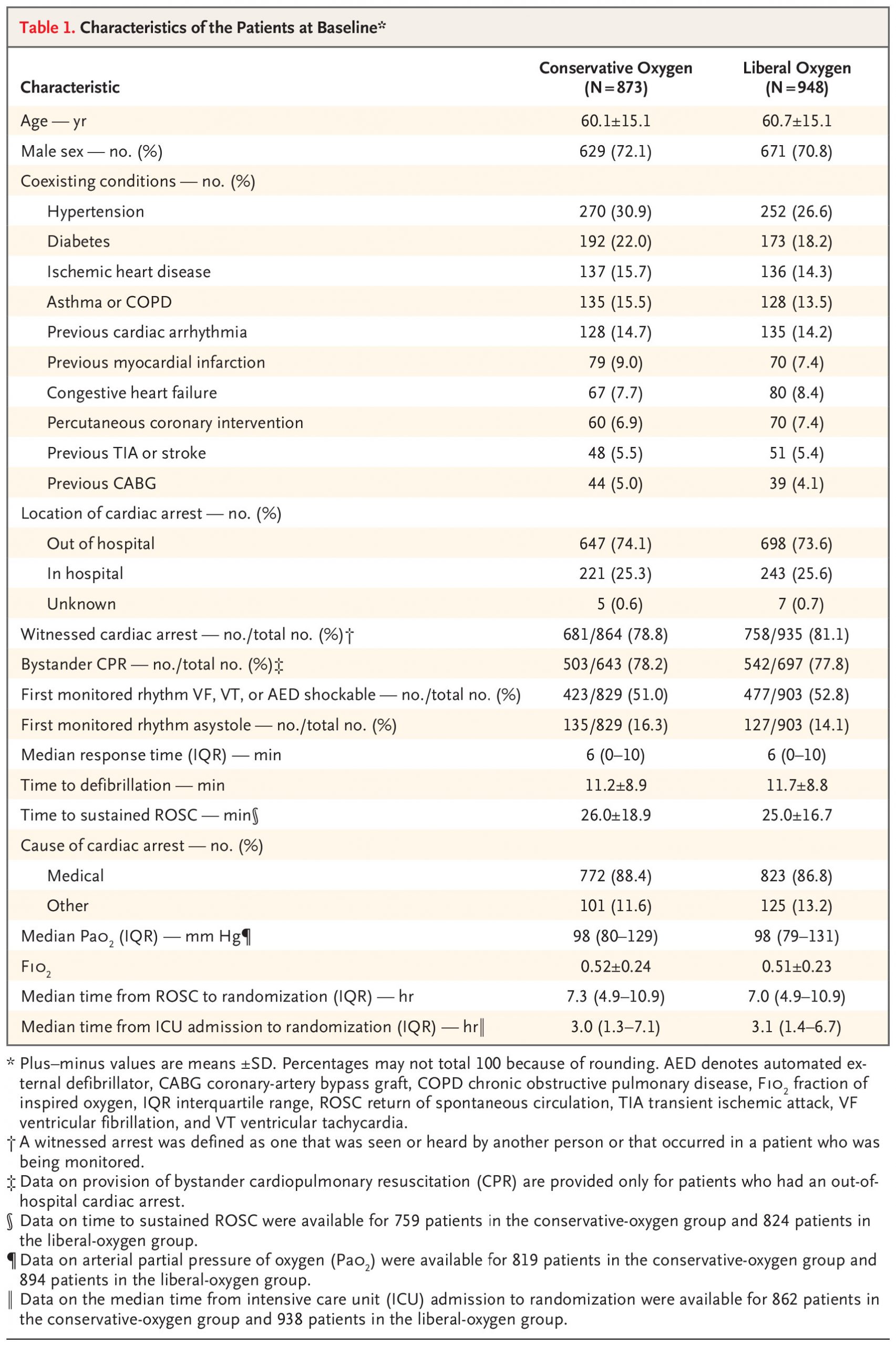
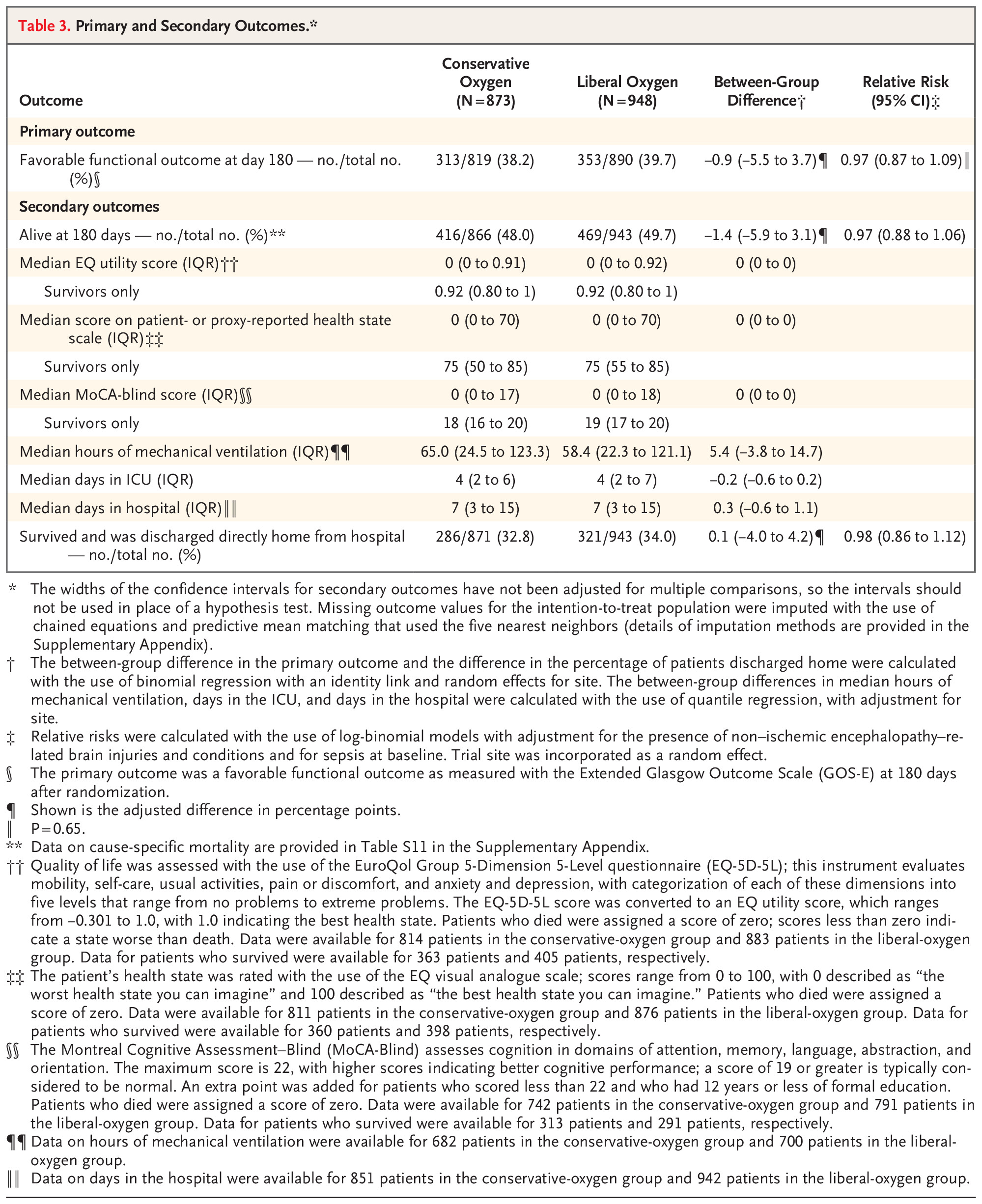
A total of 1840 patients were recruited from 53 ICUs in Australia, New Zealand, and Ireland, with 882 assigned to conservative oxygen therapy and 958 assigned to liberal oxygen therapy. A favorable functional outcome at 180 days was observed for 313 of 819 patients (38.2%) in the conservative-oxygen group and 353 of 890 patients (39.7%) in the liberal-oxygen group (relative risk, 0.97; 95% confidence interval, 0.87 to 1.09; P=0.65). No adverse events were reported.
CONCLUSIONS
Among unresponsive adults undergoing mechanical ventilation in the ICU after a cardiac arrest, the percentage who survived with a favorable functional outcome was not higher with conservative oxygen therapy than with liberal oxygen therapy. (Funded by the Health Research Council of New Zealand and others; LOGICAL Australian New Zealand Clinical Trials Registry number, ACTRN12621000518864.)
