CONFERENCE REPORTS AND EXPERT PANEL
Clinical criteria for the definition of refractory septic shock: a joint Delphi consensus from the Society of Critical Care Medicine (SCCM) and European Society of Intensive Care Medicine (ESICM)
Leone, M., Myatra, S.N., Dugar, S. et al.
Intensive Care Med (2026). https://doi.org/10.1007/s00134-026-08344-2
Abstract
Objective
A definition of refractory septic shock is necessary to guide diagnosis, management, prognostication, research, and future guidelines for this most severe form of the disease. We sought to achieve consensus on clinical criteria that would be used to define refractory septic shock.
Design
Review of literature, expert panel position statements, and Delphi rounds with an international expert group.
Setting
Consensus was defined as having at least 75% of panellists in agreement or disagreement on the three highest or lowest levels of a 7-point Likert scale or based on responses to single- or multiple-choice questions, respectively.
Subjects
A panel of multinational, multiprofessional, and multidisciplinary critical care experts assembled by the Society of Critical Care Medicine and the European Society of Intensive Care Medicine (57 invitations and 56 participants).
Measurements and main results
A five-round Delphi process was conducted for consensus and stability. The steering committee proposed 34 statements, and five of them were rejected by panel experts after round 2. Among 29 statements selected from eight domains, consensus was reached for 13. The panel agreed on the need for a comprehensive consensus set of clinical criteria for refractory septic shock. Markers of organ dysfunction (75%, 2 rounds), tissue perfusion (91.1%, 2 rounds) including lactate (94.6%, 2 rounds) and capillary refill time (76.8%, 2 rounds), assessment of fluid responsiveness after initial resuscitation (92.9%, 5 rounds), and use of vasoactive drugs at norepinephrine equivalents greater than 0.5 µg/kg/min (75.0%, 3 rounds) were selected as clinical criteria of refractory septic shock. The use of critical care ultrasound (CCUS) (92.9%, 3 rounds) was the single diagnostic modality that reached a consensus-based agreement.

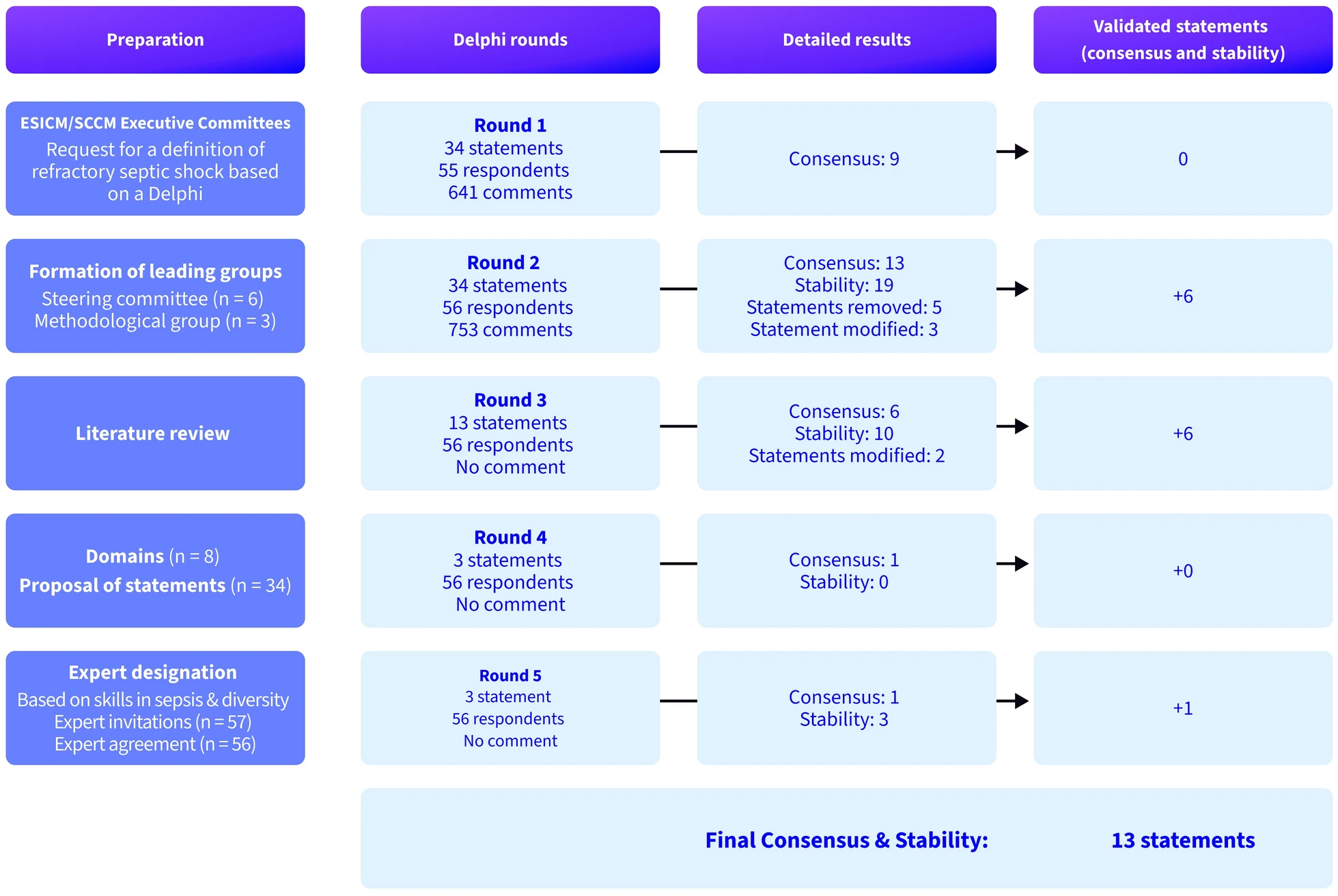

Table 3 Recommended statements that achieved consensus (> 75% agreement) and stability during the Delphi process
- A comprehensive consensus definition for refractory septic shock is needed
- Markers of tissue perfusion should be part of a definition for refractory septic shock
- Markers of organ dysfunction should be part of a definition for refractory septic shock
- Optimal fluid resuscitation and adequate intravascular volume should be part of a definition for refractory septic shock
- Use of vasoactive drugs should be part of a definition for refractory septic shock
- The duration of the clinical condition/therapies applied should be included in definition
- The dosage of the therapeutic agent/s should be included in definition
- Serum lactate concentration is a marker of tissue perfusion that should be considered in the definition of refractory septic shock
- Capillary refill time is a marker of tissue perfusion that should be considered in the definition of refractory septic shock
- Following initial fluid resuscitation, additional fluid should be considered based on fluid responsiveness status prior to defining refractory septic shock
- The method most appropriate to quantify vasopressor exposure when defining refractory septic shock is norepinephrine equivalent dose (NEE)
- The threshold dosage of norepinephrine (base) equivalent (NEE) should be ≥ 0.5 µg/kg/min for the definition of refractory septic shock
- Critical care ultrasonography (CCUS) should be used to assess for alternative causes of shock (e.g. obstructive or cardiogenic) before confirming the diagnosis of refractory septic shock
- Level of ScvO2 should not be part of the definition of refractory shock
- Urine output should not be part of the definition of refractory shock
Conclusions
A consensus for 13 criteria to frame the definition of refractory septic shock was reached. Refractory septic shock is characterised by persistently elevated lactate concentrations and or prolonged capillary refill time in patients with septic shock who are fluid unresponsive, require a norepinephrine base equivalent dose greater than 0.5 µg per kilogram per minute, and undergo CCUS assessment when mixed shock is suspected.
