Research
Global, regional, and national characteristics of the main causes of increased disease burden due to the covid-19 pandemic: time-series modelling analysis of global burden of disease study 2021
Can Chen, Wenkai Zhou, Yifan Cui, et al
BMJ 2025; 390 doi: https://doi.org/10.1136/bmj-2024-083868 (Published 02 July 2025)Cite this as: BMJ 2025;390:e083868
Abstract
Objective
To quantify and identify the main causes of increased disease burden due to coronavirus disease 2019 (covid-19) pandemic.
Design
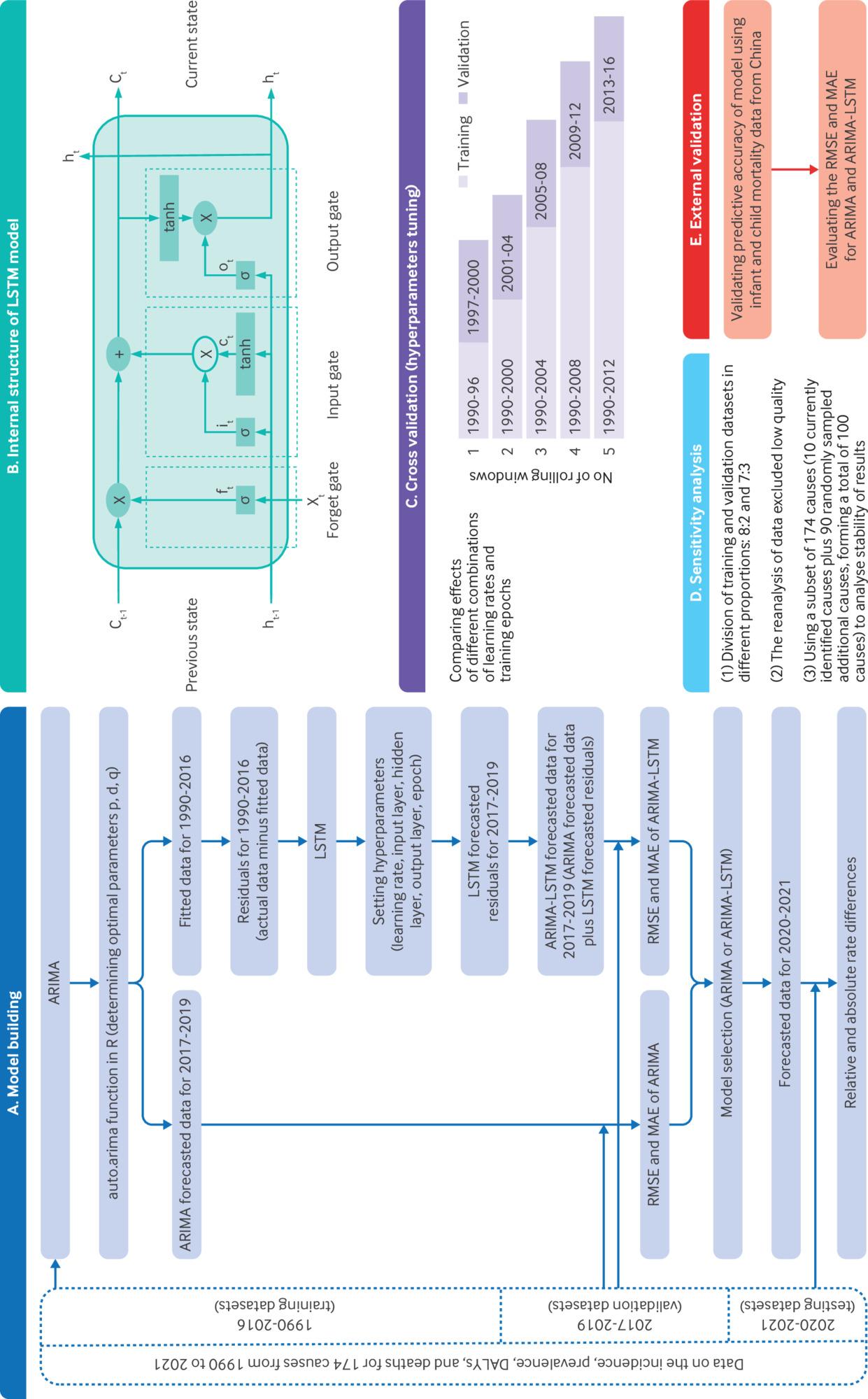
Time-series modelling study.
Data source
Global Burden of Disease Study 2021.
Main outcome measures
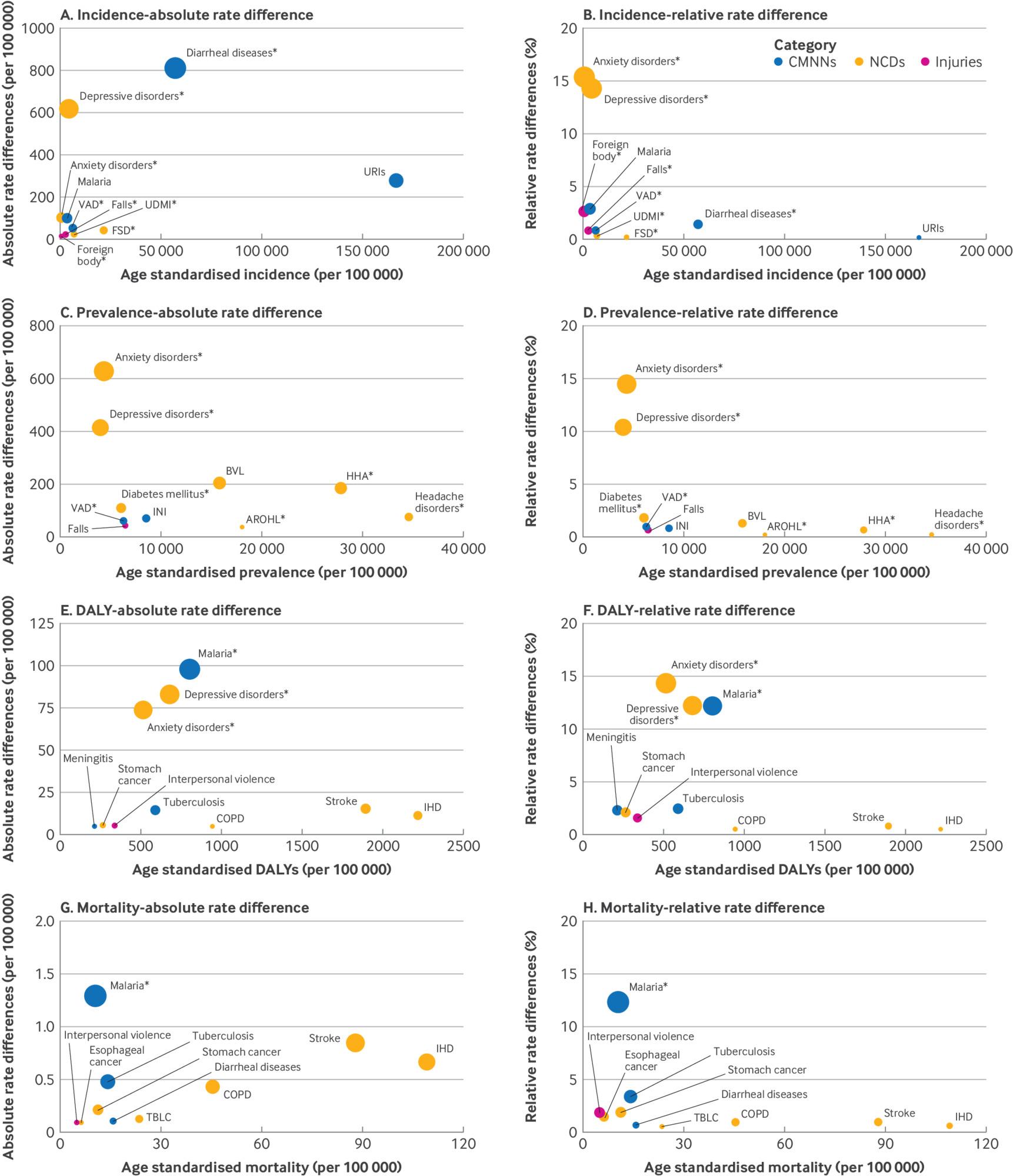
Absolute and relative rate differences were calculated, along with their 95% confidence intervals (95% CIs), between the observed and expected rates for 174 causes of increases in incidence, prevalence, disability adjusted life years (DALYs) and deaths in 2020-2021. A statistically significant increase was indicated if the 95% CIs of the rate differences were above 0.
Results
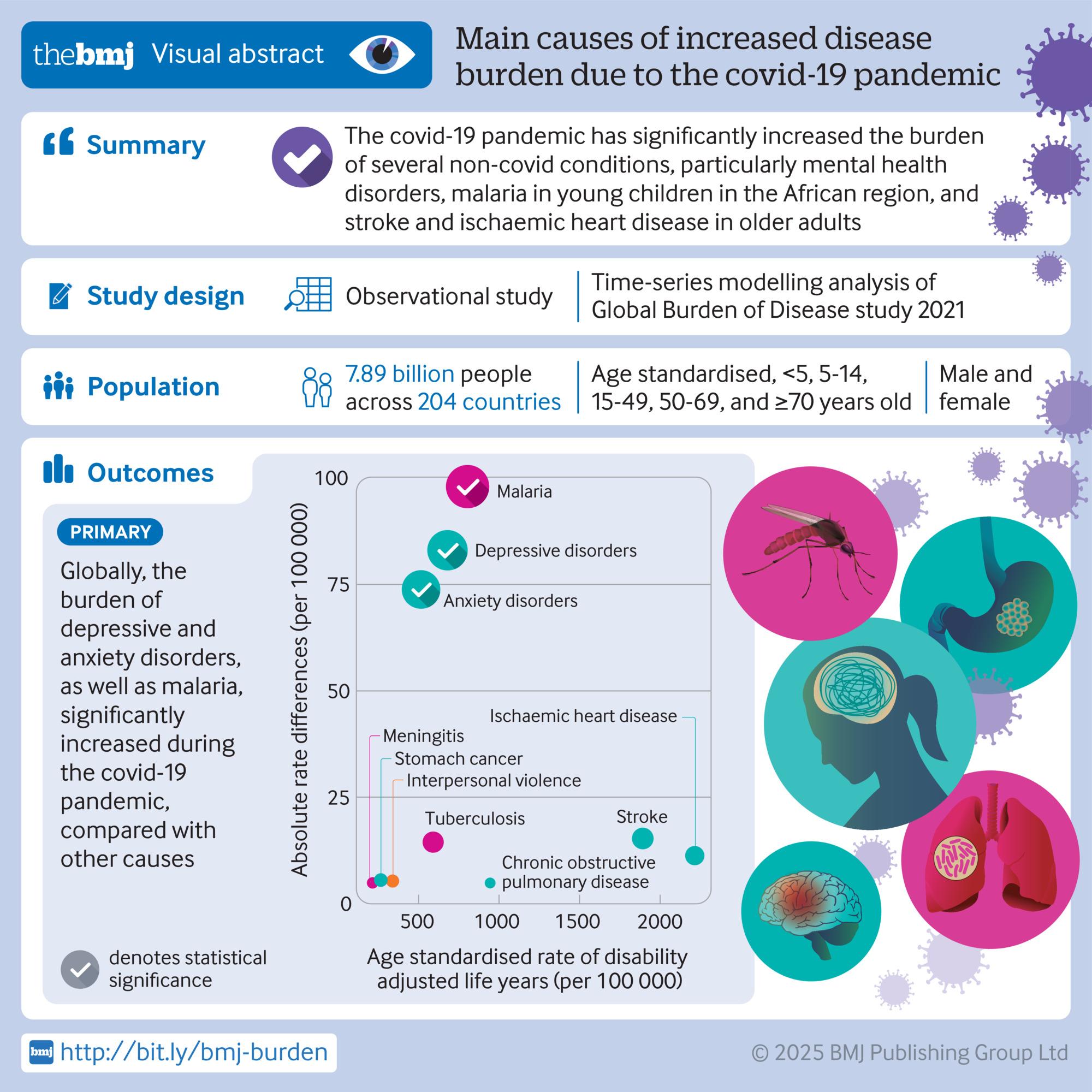
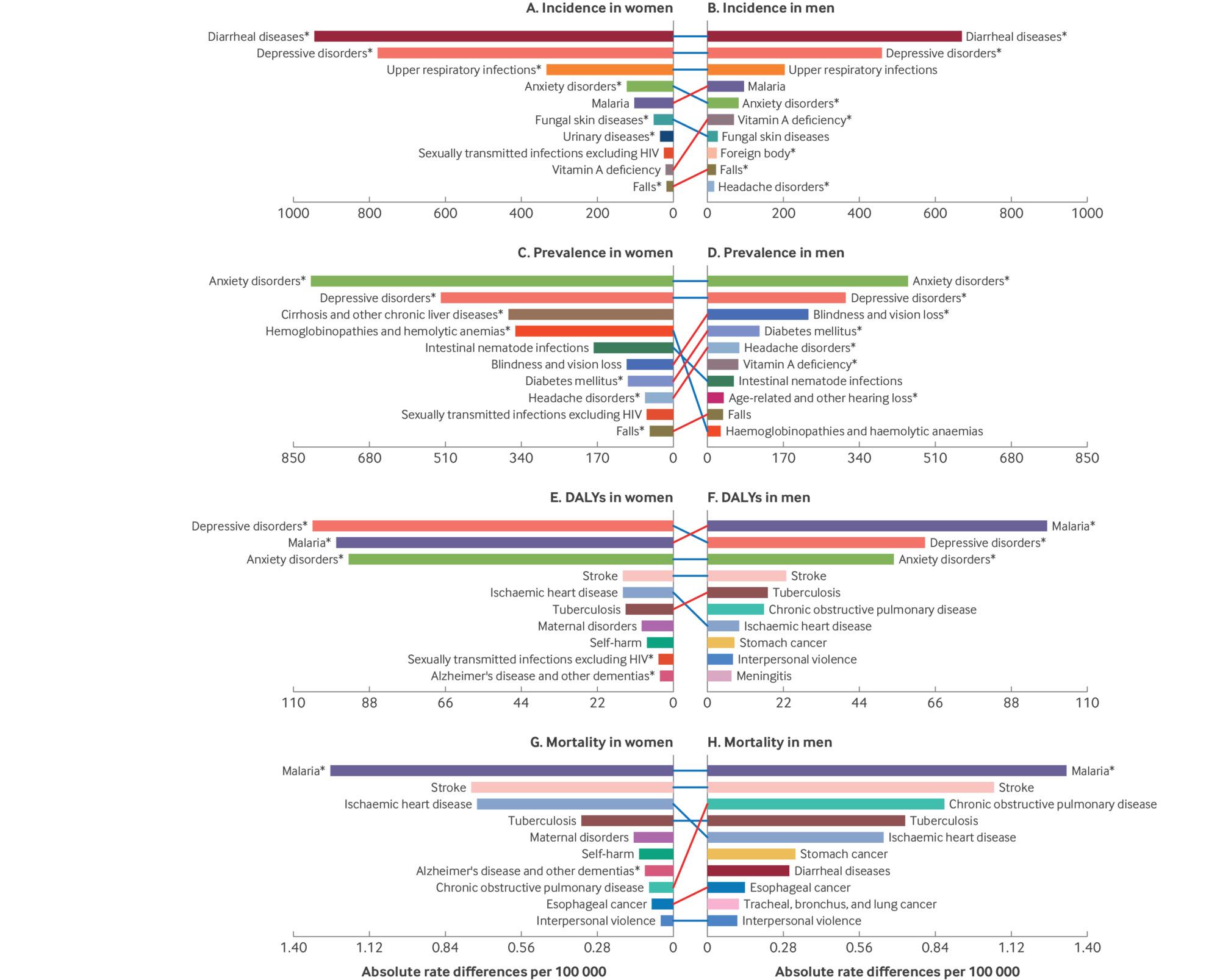
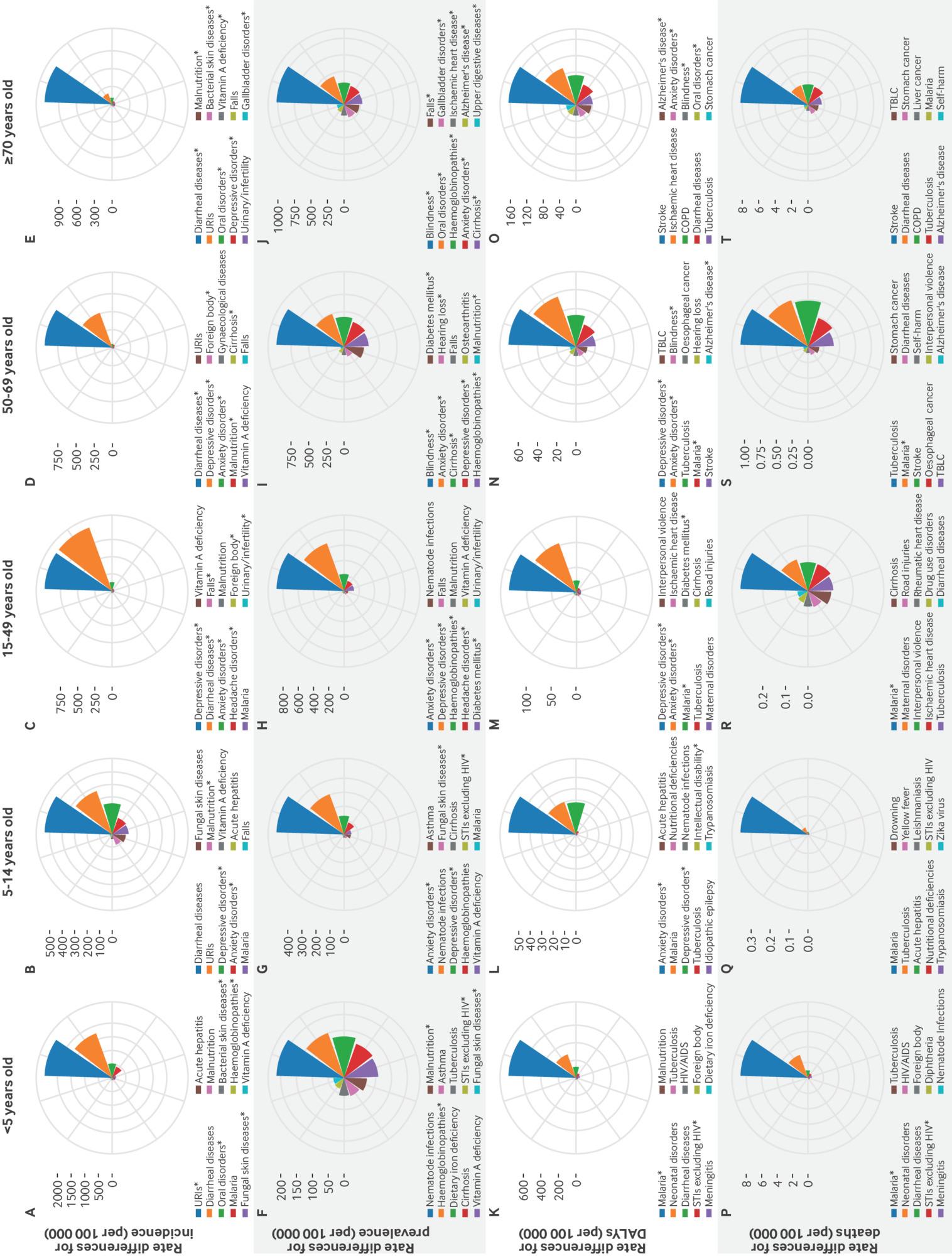
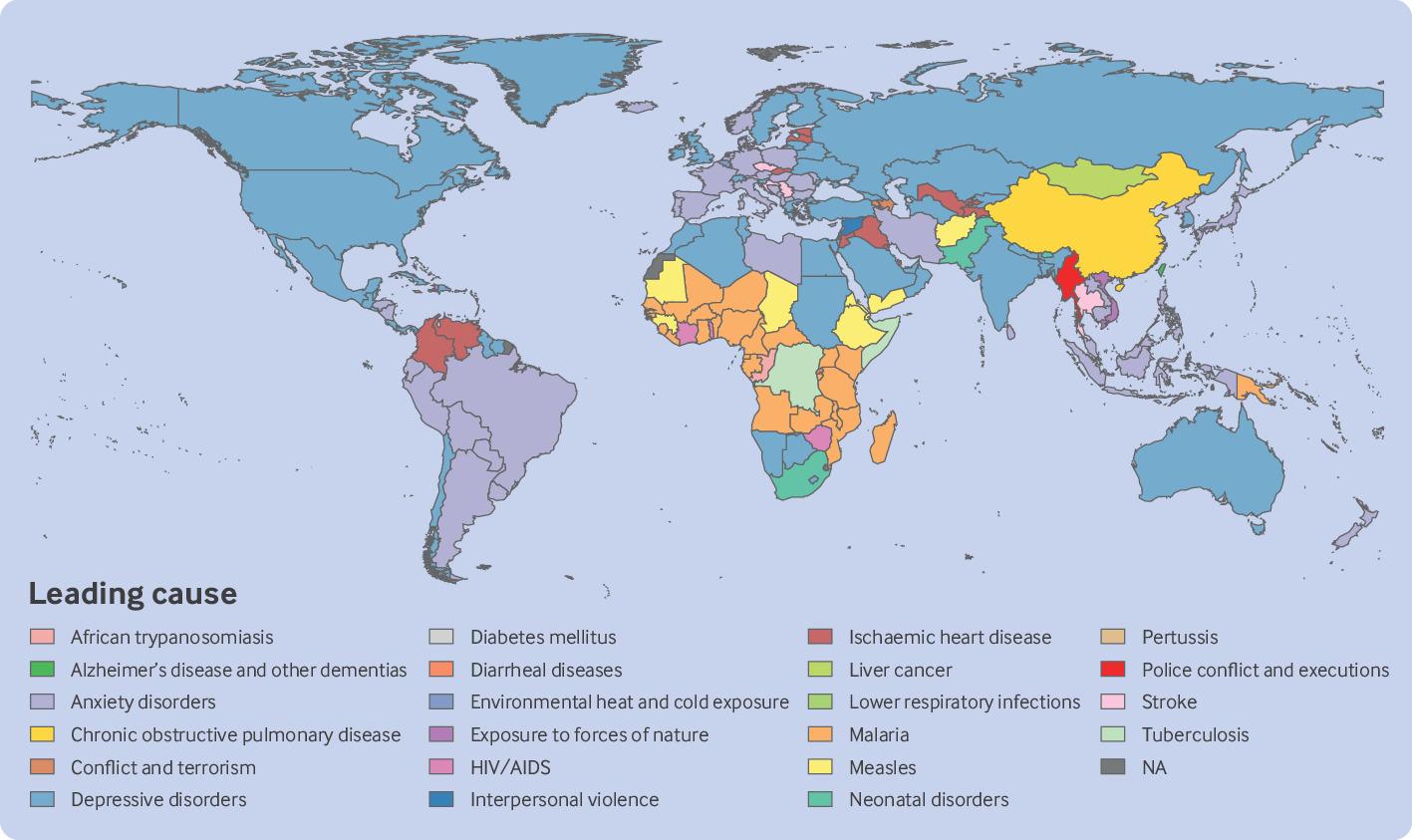
Globally, the rate of age standardised DALYs increased in absolute difference per 100 000 and relative rate difference by 97.9 (95% CI 46.9 to 148.9) and 12.2% (95% CI 5.8% to 18.5%) for malaria, 83.0 (79.2 to 86.8) and 12.2% (11.7% to 12.8%) for depressive disorders, and 73.8 (72.2 to 75.4) and 14.3% (14.0% to 14.7%) for anxiety disorders, which were prominent and statistically significant, followed by stroke, tuberculosis, and ischaemic heart disease. Additionally, the age standardised incidence and prevalence per 100 000 significantly increased for depressive disorders (618.0 (95% CI 589.3 to 646.8) and 414.2 (394.6 to 433.9)) and anxiety disorders (102.4 (101.3 to 103.6) and 628.1 (614.5 to 641.7)), as well as notable rises in age standardised prevalence for ischaemic heart disease (11.3 (5.8 to 16.7)) and stroke (3.0 (1.1 to 4.8)). Furthermore, age standardised mortality due to malaria significantly increased (1.3 (0.5 to 2.1) per 100 000). Depressive and anxiety disorders were the most predominant causes of increased DALY burden globally, especially among females; while malaria had the most severe increased DALY burden in the African region, typically affecting children younger than five years; and stroke and ischaemic heart disease in the European region and in individuals aged 70 and older.
Conclusion
The covid-19 pandemic significantly increased the burden of several non-covid conditions, particularly mental health disorders, malaria in young children in the African region, and stroke and ischaemic heart disease in older adults, with notable disparities across age and sex. These findings underscore the urgent need to strengthen health system resilience, enhance integrated surveillance, and adopt syndemic-informed strategies to support equitable preparedness for future public health emergencies.
