0℃
 2022年03月10日
ICU Management & Practice, Volume 21 - Issue 6, 2021
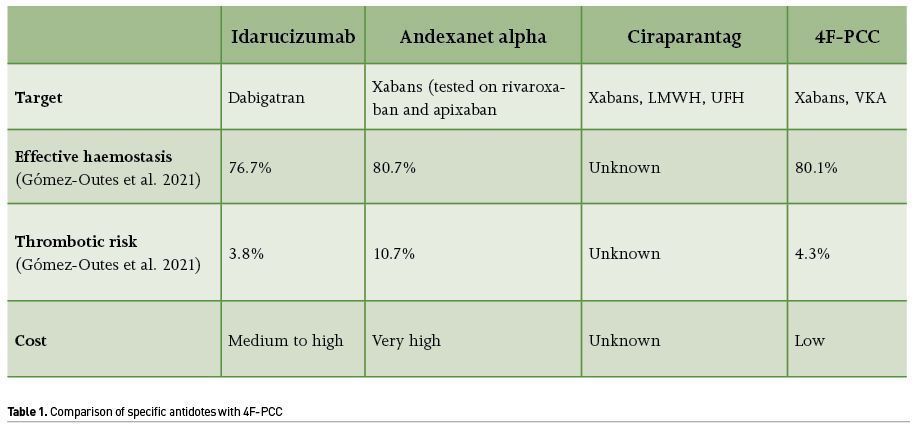
Reversal of Direct Oral Anticoagulants
This review focuses on different techniques to reverse direct oral anticoagulants, either with specific or non-specific agents.
Direct oral anticoagulants (DOACs) are now standing for Vitamin K antagonists in many clinical settings. They are recognised as a major step forward for our patients. Their efficacy has been confirmed in venous thromboembolism prophy...
阅读全文
0℃
 2022年03月08日
What Does ARDS Mean During COVID-19?
Acute Respiratory Distress Syndrome (ARDS) was described as a syndrome in 1967. At that time, it was defined as a condition characterised by severe hypoxaemia and diffuse bilateral opacities. Diagnosis of ARDS has always been context-dependent, but overall, achievements in traumatic and medical resuscitation and the use of invasive mechanical ventilation have allowed patients with ARDS to live longer.
ARDS was always consider...
阅读全文
0℃
 2022年03月06日
Surviving Sepsis Campaign Guidelines and Individualised Care
Sepsis is a major cause of death in the ICU. It is a complex disease, and treatment is typically guided by evidence-based guidelines. However, it is important to remember that guidelines provide a systematic approach to patient evaluation and treatment decisions, but they are not a compilation of truth.
The Surviving Sepsis Campaign (SSC) Guidelines are the most reliable guidelines used by the intensiv...
阅读全文
0℃
 2022年03月04日
COMMENT| VOLUME 399, ISSUE 10325, P609-610, FEBRUARY 12, 2022
Another piece in the COVID-19 treatment puzzle
Cristina Mussini, Alessandro Cozzi-Lepri
Lancet 2022; 399: 609-610
DOI:https://doi.org/10.1016/S0140-6736(22)00154-4
A new study1 from the RECOVERY Collaborative Group adds another piece to the puzzle of severe COVID-19 therapy. The RECOVERY trials have been pivotal in providing evidence on the efficacy of compounds within current trea...
阅读全文
0℃
 2022年03月04日
Application of Artificial Intelligence in the ICU
Artificial Intelligence (AI) holds great promise in critical care. Vast amounts of data are regularly collected in intensive care units, making ICUs the perfect environment for deploying machine-learning techniques.
AI in ICUs can have several applications. For example, when determining the short and long-term outcomes of different interventions, a well-designed ICU system could provide significant support in the...
阅读全文
0℃
 2022年03月03日
COMMENT|ONLINE FIRST
Time to knock monoclonal antibodies off the platform for patients hospitalised with COVID-19
Adrienne E Shapiro, Rachel A Bender Ignacio
Lancet Infect Dis Published:December 23, 2021
DOI:https://doi.org/10.1016/S1473-3099(21)00762-3
The research community has responded to the COVID-19 pandemic with innovative platform trials to address the need for rapid evaluation of novel agents using a common protocol, among them being RECOVERY,1&nbs...
阅读全文
0℃
 2022年03月02日
2030: Projections for the Emergency Medicine Physician Workforce
Over the last few decades, the emergency physician workforce has undergone a dramatic transformation. There was a time when most physicians working in the emergency department had not completed residency training in emergency medicine. This began around 1970. Today, there are 273 emergency medicine residences accredited by the Accreditation Council for Graduation Medical Education (ACGME).
While em...
阅读全文
0℃
 2022年02月28日
ICU Management & Practice, Volume 21 - Issue 3, 2021
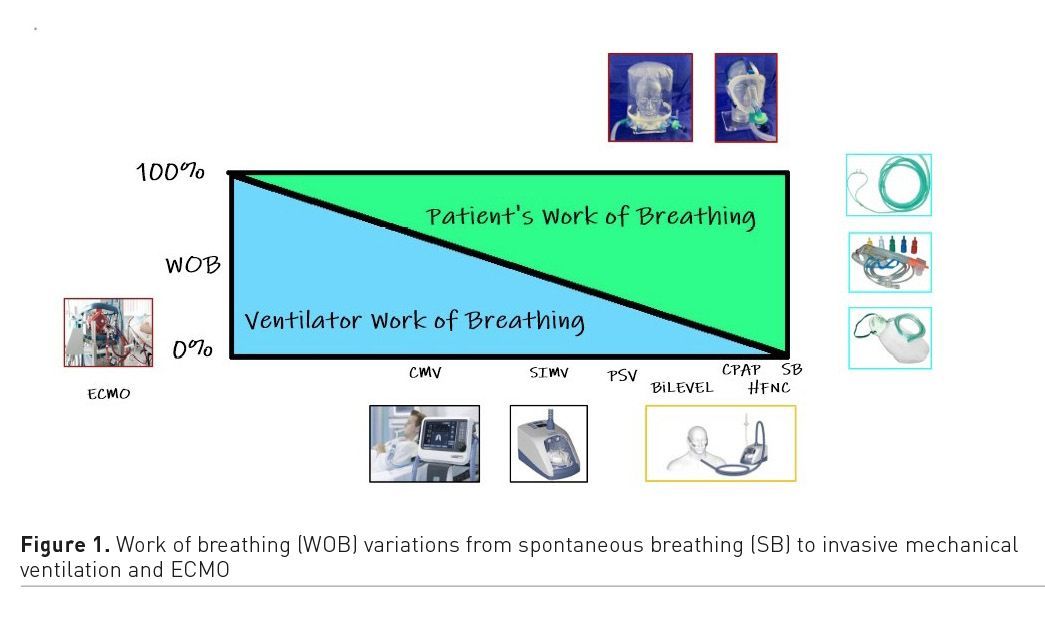
Oxygen Therapy in COVID-19 Patients: The Role of HFNC and CPAP
Oxygen therapy and mechanical ventilation in patients with COVID-19 and steps to choose the right therapeutic strategy for each patient.
Introduction
Severe acute respiratory syndrome coronavirus CoV-2 is the highly contagious viral agent responsible for the ongoing COVID-19 pandemic. COVID-19 is the name of the syndrome caused by SARS-C...
阅读全文
0℃
 2022年02月26日
Association Between Age and Neurological Outcomes in OHCA
There is very little information about the differences in outcomes between young and old patients who receive extracorporeal cardiopulmonary resuscitation (ECPR) for out-of-hospital cardiac arrest (OHCA).
In this study, researchers aimed to investigate the differences in outcomes between patients aged 75 years and older and patients younger than 75 years. All patients included in the analysis were those w...
阅读全文
0℃
 2022年02月24日
ICU Management & Practice, Volume 21 - Issue 3, 2021
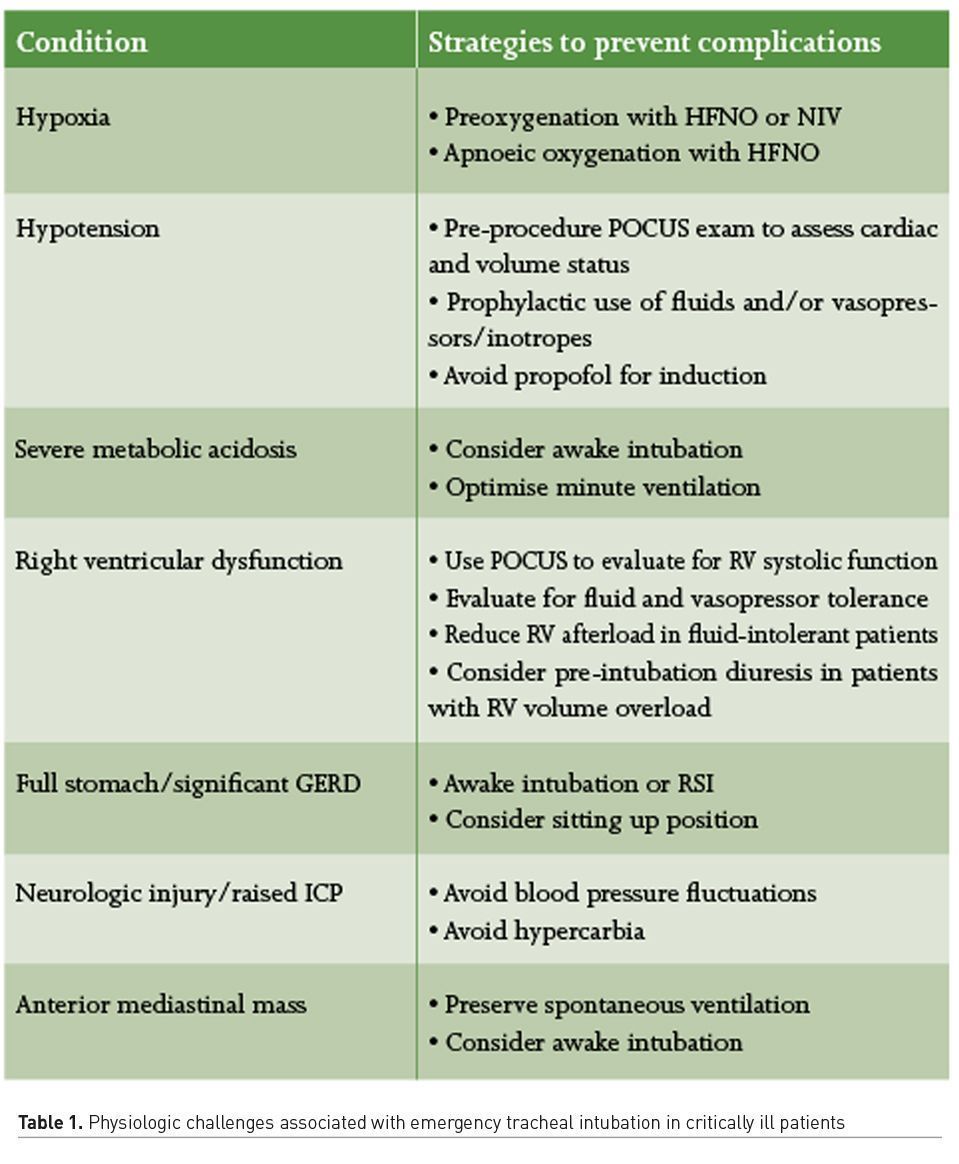
Airway Management in Critically Ill Patients – Striving to Improve Outcomes
Tracheal intubation in critically ill patients requires planning, preparation and optimisation of patient’s physiology prior to the procedure. Reducing repeated attempts at tracheal intubation, improving peri-intubation oxygenation, and haemodynamic optimisation, are some of the steps that can reduce the antecedent morbidity and m...
阅读全文