0℃
 2022年03月28日
Ventilator-Associated Pneumonia in Patients With COVID-19
A major challenge in ICUs even before the COVID-19 pandemic was ventilator-associated pneumonia (VAP). However, now that the ICUs are even more overwhelmed with the complex and prolonged acute care of patients with COVID-19, VAP has become an even bigger issue. It has an overall incidence of 40 to 60%, but the problem is that the variation on VAP definitions used in different countries makes it very difficul...
阅读全文
0℃
 2022年03月26日
Respiratory Management Strategies for AHRF
Acute hypoxaemic respiratory failure (AHRF) is one of the most common causes of admission to the ICU. It has a mortality rate of nearly 30%. Non-invasive respiratory management strategies are recommended to avoid the risk of endotracheal intubation. However, patients with de novo acute hypoxaemic respiratory failure (AHRF) are often at high risk of treatment failure. De-novo AHRD refers to a condition that occurs without p...
阅读全文
0℃
 2022年03月24日
ICU Management & Practice, Volume 21 - Issue 6, 2021
CAR-T Cell Therapy – What An Intensivist Should Know
CAR-T therapy is a promising treatment for B-cell malignancies but is also associated with toxicities such as cytokine release syndrome (CRS) and immune effector cell-associated neurotoxicity syndrome (ICANS). Frequent monitoring, timely recognition and prompt management in ICU are paramount to ensure good outcomes.
Introduction
Chimeric antigen r...
阅读全文
0℃
 2022年03月22日
ICU Management & Practice, Volume 21 - Issue 6, 2021
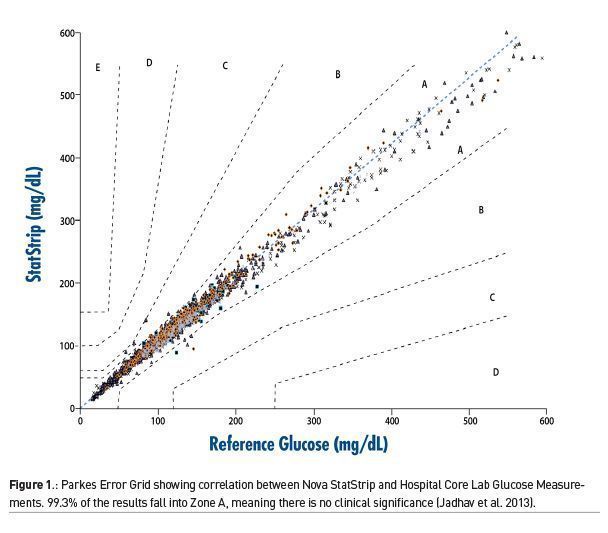
The Importance of Accurate Glucose Monitoring in Critically Ill Patients
The complexity of glucose testing, the limitations of point-of-care blood glucose monitoring systems and the need for accuracy and reliability to ensure optimised patient outcomes.
Critically ill patients are not found just in intensive care units, but throughout the hospital: emergency departments, post-anaesthesia care units, op...
阅读全文
0℃
 2022年03月20日
ICU Management & Practice, Volume 21 - Issue 6, 2021
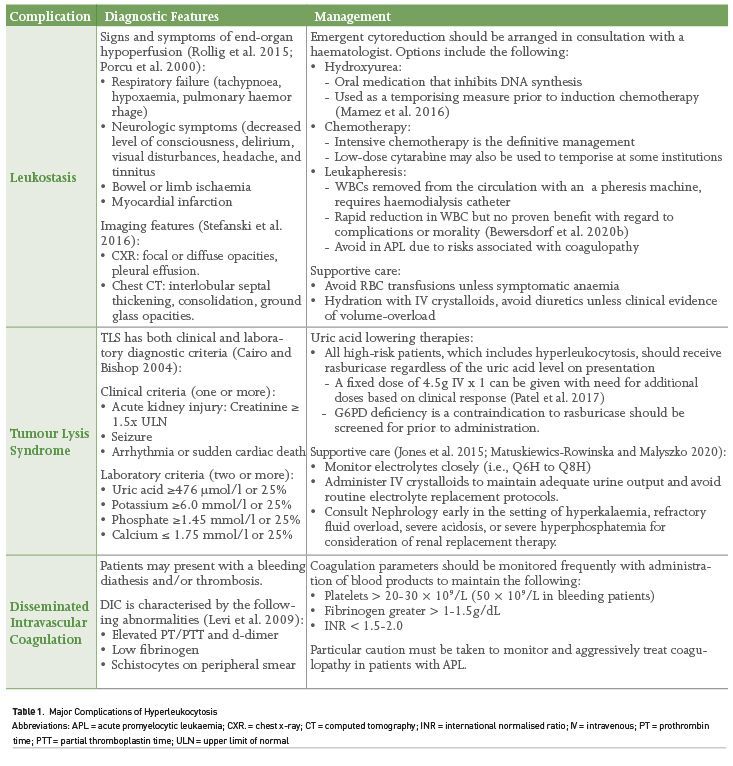
Emergencies in Malignant Haematology for the Intensivist
An overview of emergencies that are commonly seen in malignant haematology, side effects of novel therapies, and complications of allogeneic haematologic stem cell transplant.
Introduction
Critical illness is common in patients with haematologic malignancies. Recent data demonstrate that 14% of patients will require ICU admission within one ye...
阅读全文
0℃
 2022年03月18日
COMMENT| VOLUME 10, ISSUE 3, P223-224, MARCH 01, 2022
Stimulating severe COVID-19: the potential role of GM-CSF antagonism
Helen L Leavis, Frank L van de Veerdonk, Srinivas Murthy
Lancet Respir Med 2022; 10: 223-224
Over the past 20 months of the COVID-19 pandemic, a great deal has been crystallised about the ideal therapeutic targets for infected patients. For very sick patients who require hospitalisation, we now know that targeting the dysreg...
阅读全文
0℃
 2022年03月18日
ICU Management & Practice, Volume 21 - Issue 6, 2021
Indirect Calorimetry in Mechanically Ventilated Patients to Assess Nutritional Targets
An overview of the physiological aspects of indirect calorimetry, its limitations in use, the available literature and future prospects for tailored nutrition.
Introduction
Medical nutrition therapy (MNT) is an essential part of patient care in the intensive care unit (ICU) setting. Similar to mechanical ventilati...
阅读全文
0℃
 2022年03月16日
ICU Management & Practice, Volume 21 - Issue 6, 2021
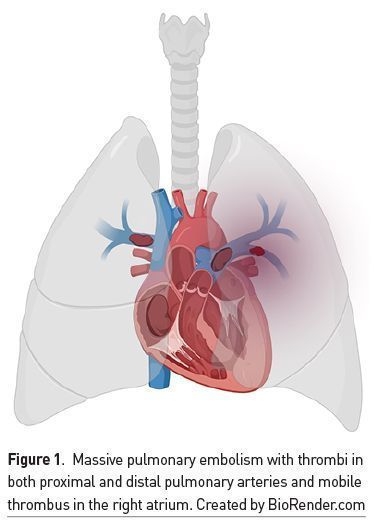
Management of Pulmonary Embolism in the Intensive Care Unit
Pulmonary embolism is a reason for admission to the Intensive Care Unit and this complication in hospitalised patients is associated with high morbidity and mortality. The identification and management of pulmonary embolism is a challenge for doctors.
Introduction
Pulmonary Embolism (PE) is the third cardiovascular cause of death since its ...
阅读全文
0℃
 2022年03月14日
ICU Management & Practice, Volume 21 - Issue 6, 2021
Anaemia in the Critically Ill: What is the Major Culprit?
Anaemia is commonly encountered in the critically ill and is associated with poor outcomes. The cause is multifactorial and includes high hepcidin levels and a blunted response to erythropoietin.
Anaemia is defined by haemoglobin (Hb) < 12 g/dL for women and Hb below 13 g/dL for men, according to the WHO (1968). Anaemia is a prevalent conditi...
阅读全文
0℃
 2022年03月12日
ICU Management & Practice, Volume 21 - Issue 6, 2021
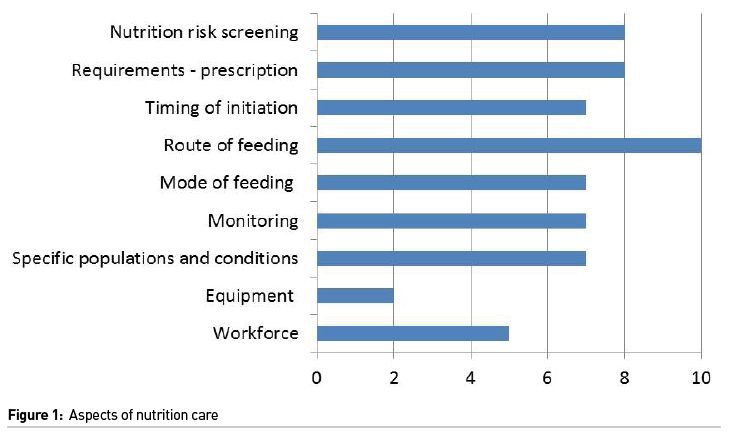
Nutritional Care for Patients with COVID-19 Requiring Intensive Care
Recommendations for the management of nutrition of COVID-19 patients provide guidelines for nutrition risk screening, requirements, timing, route and mode of feeding, monitoring, equipment and workforce requirements.
The worldwide pandemic of COVID-19 continues to impact all aspects of intensive care unit (ICU) management, including n...
阅读全文